Frontend
Frontend
Java Swing interface for complaint registration, processing, search, filtering, comments, and statistics.
Case study
Desktop application for managing student complaints with structured tracking, filtering, search, treatment comments, and statistics.
Role
Java desktop development, database modeling, DAO/service architecture, search/filter workflows, and statistics visualization.
Context
The complaint management system focuses on academic complaint tracking where status, comments, filtering, and statistics support follow-up.
Academic institutions need a structured way to register, process, filter, and analyze student complaints without losing treatment context.
Built a Java Swing desktop application with MySQL persistence, DAO/service organization, status management, search, filtering, comments, and JFreeChart statistics.
Java Swing, MySQL, JDBC/DAO, JavaBeans, and service organization were used to keep the application structured and maintainable.
A structured view of the technical blocks and responsibilities planned in the project.
Frontend
Java Swing interface for complaint registration, processing, search, filtering, comments, and statistics.
Backend
DAO and service organization with JavaBeans to separate data access and application behavior.
Database
MySQL database modeled for students, complaints, processing status, comments, and reporting needs.
Authentication
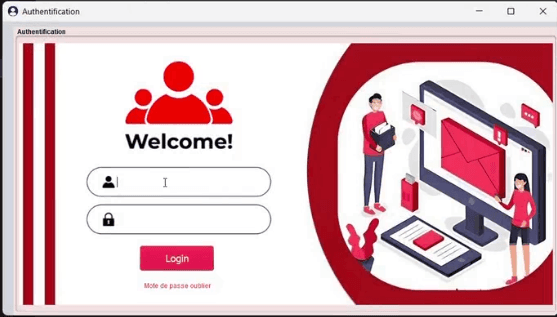
Authentication is not presented as the central feature; complaint tracking and processing workflows are the focus.
Integrations
JFreeChart statistics, UML diagrams, architecture diagrams, database modeling, and README demo video.
Complaint registration, processing status, comments, search, and filtering are organized in a desktop workflow.
DAO/service architecture separates data access from application logic.
README includes UML and architecture diagrams plus a demo video.
Quality is presented as a progressive engineering approach: targeted tests, readability, static analysis, and documented decisions.
The README documents architecture and database modeling, while the application separates concerns through DAO and service layers.
These takeaways turn the project into evidence of technical reasoning, not just a feature list.